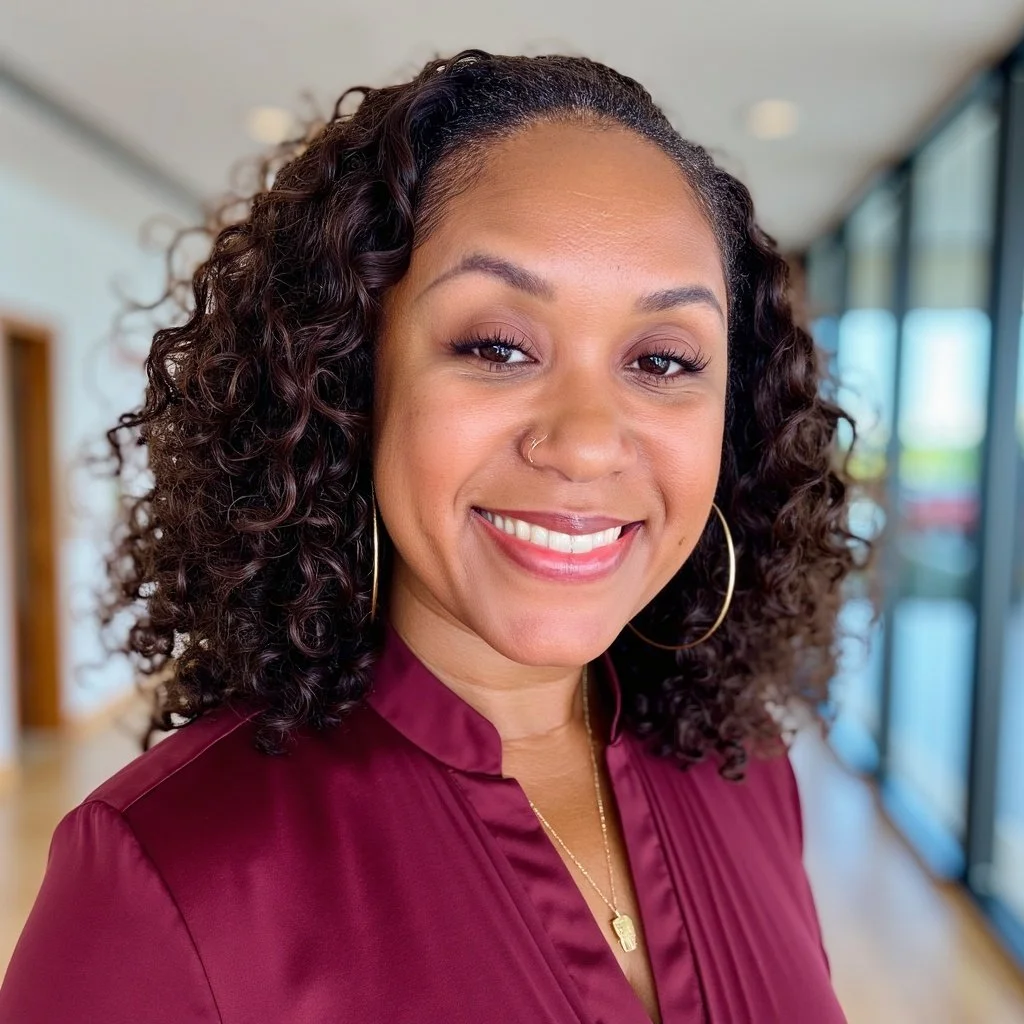
Social worker and USC doctoral researcher bringing social work's values into how AI is designed, built, and evaluated.
Since 2007, my practice has spanned youth, adults, and older adults, including unhoused communities, across behavioral health, substance use treatment, oncology, and private practice.
At USC, where social work meets data science, I’m developing a framework that translates my profession’s values and ethics into standards for AI, while gaining the data science skills to create AI models with interdisciplinary teams.
My clinical practice includes corporate EAP services, SAP evaluations for employees in DOT-regulated, safety-sensitive positions, and clinical supervision for associates working toward licensure. I also offer a tool for building self-trust; interested users can register here.

About
I am a licensed clinical social worker and U.S. DOT-qualified Substance Abuse Professional. I was first licensed in New York in 2007 and have held continuous licensure since 2019 in Hawaii, California, and Washington, D.C. I am also a Doctor of Social Work candidate at the USC Suzanne Dworak-Peck School of Social Work.
For nearly two decades, my work has taken me to the places where multiple systems meet people's lives. That has meant overnight homeless outreach in New York City, domestic violence prevention programming in a Brooklyn middle school, adolescent residential treatment and inpatient psychiatry in Los Angeles. It has also meant community case management for older adults at risk, behavioral health utilization review for outpatient and partial hospitalization programs, integrated behavioral health care at Kaiser Permanente, and oncology and caregiver support at UCSF. From 2019 to 2026, I built and led House of Healing Hawaii, a group behavioral health practice serving clients across the islands and beyond.
Each of those settings taught me the same lesson. Decisions made far from people shape their lives up close, whether those decisions live in policy, payer criteria, clinical protocols, or, increasingly, AI models. My work now is about bringing social work's knowledge into the rooms where those decisions get made.
What Shaped My Approach
My approach to clinical work, and now to AI, comes from four places.
-
As a child, I trained as a competitive gymnast. Before social work, I trained and performed as a dancer in New York City. Later I taught yoga in Nicaragua, in Hawaii and online, and maintain credentials with Yoga Alliance. Movement continues to teach me that alignment needs communication between the body and the mind. In my clinical work, I pair evidence-based approaches like CBT and DBT with trauma-informed, somatic, and yoga-based practice.
-
My most formative clinical years were in inpatient psychiatry, street outreach, and addiction treatment, with people in crisis whom many systems had already failed. That work is still my reference point for what safe, competent care looks like.
-
As an MSW student, I was a Hartford Partnership Program Fellow in aging-informed practice and education (HPPAE) and served as an NGO representative to the United Nations for the International Network for the Prevention of Elder Abuse. I've spent extended time with local communities in Cuba, Brazil, and the Corn Islands off Nicaragua's Caribbean coast. I’ve reviewed statewide homelessness strategy for the State of Hawaii. Those experiences taught me to read policy from the ground up.
-
For a long time, I was reluctant to call myself a clinician. Much of the diagnostic framework I trained in rests on research and cultural assumptions that exclude the majority of lived human experience. I learned to use those tools well while asking whose experience they reflect and whose they leave out. I now bring that same question to AI.
Where My Work is Now
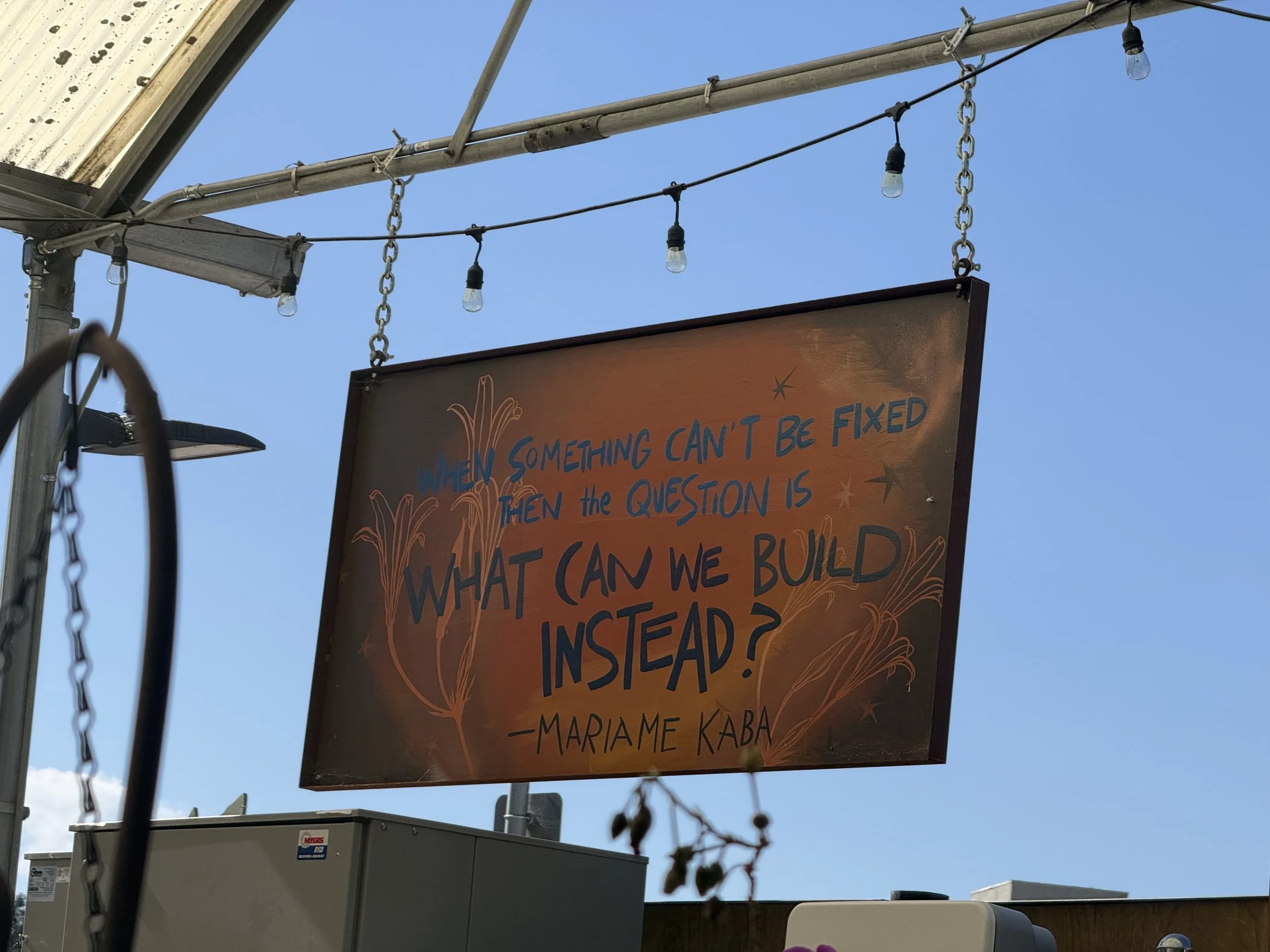
For nearly a century, social workers have asked one question of every system: who does this serve? I'm asking it of AI.
Wherever AI meets people, in healthcare, schools, public benefits, the workplace, or a phone at 2 a.m., it makes the kinds of judgments social workers are trained to make: who is at risk, what someone needs, what would cause harm. I'm working to make sure our profession's knowledge shapes those systems from the start.
Foundation: social work ethics for AI
My doctoral capstone turns social work values and the NASW Code of Ethics into standards any AI system can be tested against, from public systems people cannot opt out of to the commercial models people use every day. My clinical lens focuses on how AI handles mental health, crisis, and behavioral content. That includes recognizing crisis and escalation cues, staying within scope of practice, responding in a trauma-informed way, and aligning with professional ethics.
I'm open to advisory and evaluation engagements with teams building AI that touches people's mental and behavioral health.
Building: social work and data science together
Evaluation is where my work starts. Building is where it leads.
I'm working toward interdisciplinary teams in which social workers and data scientists design AI models together, with ethical judgment built in from the start rather than checked afterward. I'm also completing USC's Graduate Certificate in Data Science Foundations.
My longer-term goal is a lab dedicated to that work, with a focus on health equity.
Research: AI and the social work workforce
At USC, I study how design thinking can be utilized to solve wicked social problems, including how AI availability and system integrations are changing the work and wellbeing of social workers and the communities they serve.
My current interview study looks at AI-related stress among Black women working professionally in social work, healthcare, human services, and public leadership.
Practice: EAP, SAP, and clinical supervision
I keep a focused clinical practice in DOT SAP evaluations, corporate EAP services, and provide clinical supervision for associates in California.
Details below.

EAP Services
Counseling, Training, and Critical Incident ResponseI provide onsite and virtual brief therapeutic counseling, critical incident response, and workplace training support for EAP providers CCA, Inc., Curalinc, and Empathia.
I have also provided corporate wellness services for Accenture and the Pac-12 Conference.

SAP Evaluation & Referral
For DOT-mandated Employees in Safety-Sensitive PositionsAs a DOT-qualified Substance Abuse Professional, I conduct return-to-duty evaluations for employees mandated under 49 CFR Part 40. I've worked with employees and employers regulated by FMCSA, FAA, and the U.S. Coast Guard.
I am available for employee self-referrals in Hawaii and California and can offer video telehealth and in-person sessions. Employers and DERs are welcome to refer directly.

Clinical Supervision
For California Associates Gaining Hours toward LicensureI provide clinical supervision for ACSWs, AMFTs, and APCCs working toward independent clinical licensure in California.
My supervision draws on inpatient, outpatient, addiction, medical, and private practice settings, with attention to ethics, trauma-informed care, and technology's growing role in practice.
Therapy
I'm not accepting new therapy clients right now. My new multi-state telehealth practice for trauma-informed therapy, based in California, will open to new clients in January 2027. If you need support now, contact your health plan or EAP for a referral. In a crisis, call or text 988.
House of Healing Hawaii
After seven years, House of Healing Hawaii closes on December 31, 2026. Thank you to every client and colleague who was part of it. Former clients may request a copy of their records at info@houseofhealinghawaii.com.
Writing and Media
• "Why the Time Is Now for Social Workers in AI Governance" (LinkedIn article, July 2026)
• "AI Doesn't Need More Engineers. It Needs Social Workers." (YouTube, August 2026)
I'm available for talks, panels, and podcasts on social work, ethics, and AI.
Credentials
Licensure: LCSW, Hawaii and California · LICSW, Washington, D.C. · U.S. DOT Substance Abuse Professional (SAP credentialed with NAADAC)
Education: Doctor of Social Work candidate, USC Suzanne Dworak-Peck School of Social Work · MSW, Fordham Graduate School of Social Service (2007)
AI training: AI in Health Care: From Strategies to Implementation, Harvard Medical School Executive Education (2025) · NVIDIA GTC, San Jose and Paris (2025)
Somatic practice: Yoga asana, pranayama, nidra, meditation (RYT-500, E-RYT 200, YACEP Yoga Alliance). Training in trauma-informed bodywork (self-adjustment, myofascial release) and grounded visualization (Feldenkrais)
Get in Touch
I welcome inquiries about EAP and SAP services, clinical supervision, research collaboration, advisory work, and speaking.
Employees seeking urgent SAP evaluation may leave a confidential voicemail on my dedicated, HIPAA-compliant SAP line.
Please don't include personal health information in this form. If you are in crisis, call or text 988, or call 911.
I typically reply within two business days.